
When a tenancy ends in Dubai, walls are one of the first things landlords and property managers look at during the handover inspection. Scuffs, marks, nail holes and stains can lead to a request to repaint, so many tenants choose to repaint before they leave. This checklist helps you decide what is needed and avoid paying for work you do not need.
Start with your tenancy contract
Before you book a painter, read the maintenance and handover clauses in your tenancy contract. They usually explain what condition the property should be returned in and what counts as normal wear. If anything is unclear, ask your landlord or property manager in writing what they expect, including the paint colour and finish if you are asked to match the original. This article is general guidance and not legal advice, so rely on your own contract and the rules that apply to your property.
Walk through every room first
Take photos and notes of each room in good light. Look for:
- Scuff marks along corridors, behind doors and near furniture
- Nail and screw holes from pictures, TV brackets and shelves
- Stains, kitchen splashes and fingerprint marks
- Damp patches, cracks or peeling that may need a different repair
- Marks left by moved furniture on ceilings, skirting and door frames
Small marks can often be touched up or cleaned. Large areas of damage or very uneven walls may need a full repaint of that wall or room.
Touch-up, single wall or full repaint?
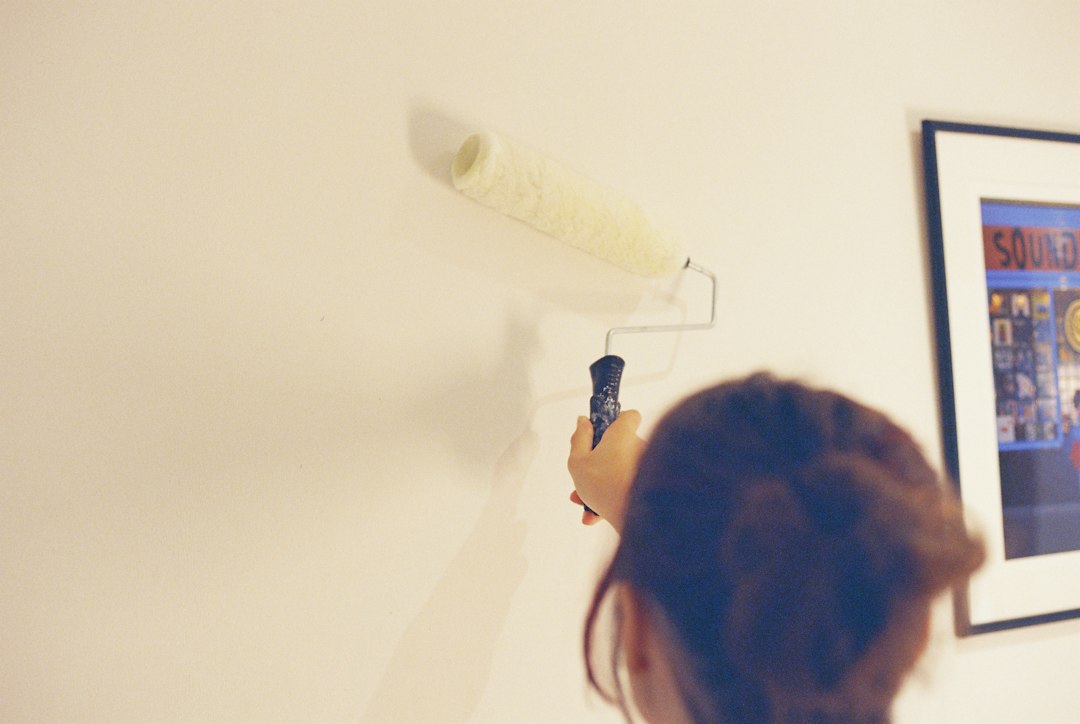
Touch-up works when marks are few and the paint is fairly new, but old paint may not blend with fresh paint, so a patch can show. Repainting a full wall avoids visible patches and is a good middle option. Repainting the entire room or apartment gives the most even result and is usually the safest choice if the paint is several years old. Ask your painter to explain which option suits each room.
Match the colour and finish
If you must return the property in its original colour, ask the landlord for the paint code or take a sample of the existing colour. White and off-white shades vary a lot between brands, and a mismatch is easy to spot on a large wall.
Plan the timing
Book painting before cleaning and the final inspection. Walls need time to dry, and good ventilation helps clear the smell. As a rough rule, leave time between the end of painting and handover so you can clean, fix any touch-ups and take final photos. Your painter can advise the drying time for the paint they use.
What a good move-out quote should include
- Which rooms and surfaces are covered (walls, ceilings, doors, skirting)
- Wall repairs: filling holes, sanding, spot priming
- Paint type, colour and number of coats
- Protection for floors and fixtures, and cleanup after painting
- Start date, completion date and how touch-ups after handover are handled
Frequently asked questions
Do I have to repaint when I move out?
It depends on your contract and the condition of the walls. Some landlords accept normal wear, while others ask for repainting. Check your contract and confirm with the landlord or property manager.
How long does apartment painting take?
It depends on the size, the number of rooms and the repairs needed. A painter can give you a time estimate after seeing the property.
Can I repaint only the damaged walls?
Often yes, but a single repainted wall may look different from the rest if the old paint has aged. Ask your painter to check how well a new coat will blend.
Get your apartment ready for handover
See our apartment painting service, read what affects pricing in our painting cost guide, or contact us for a free survey. You can also call or WhatsApp +971 56 836 1723 with photos of your walls.